Researchers may choose a nasal spray formulation for several practical reasons when designing laboratory studies
In fact, even with a lack of intrinsic factor the transport molecule which is essential for the absorption of B12 the body can obtain enough vitamin B12 from oral doses via passive diffusion in the small intestine
After professional treatments such as peels, microneedling, laser, or micro-infusion, the skin undergoes a controlled micro-injury process that requires regeneration
Get 20% off your first compounded-peptide order Join the early-access waitlist and we'll notify you the moment consultations and ordering open

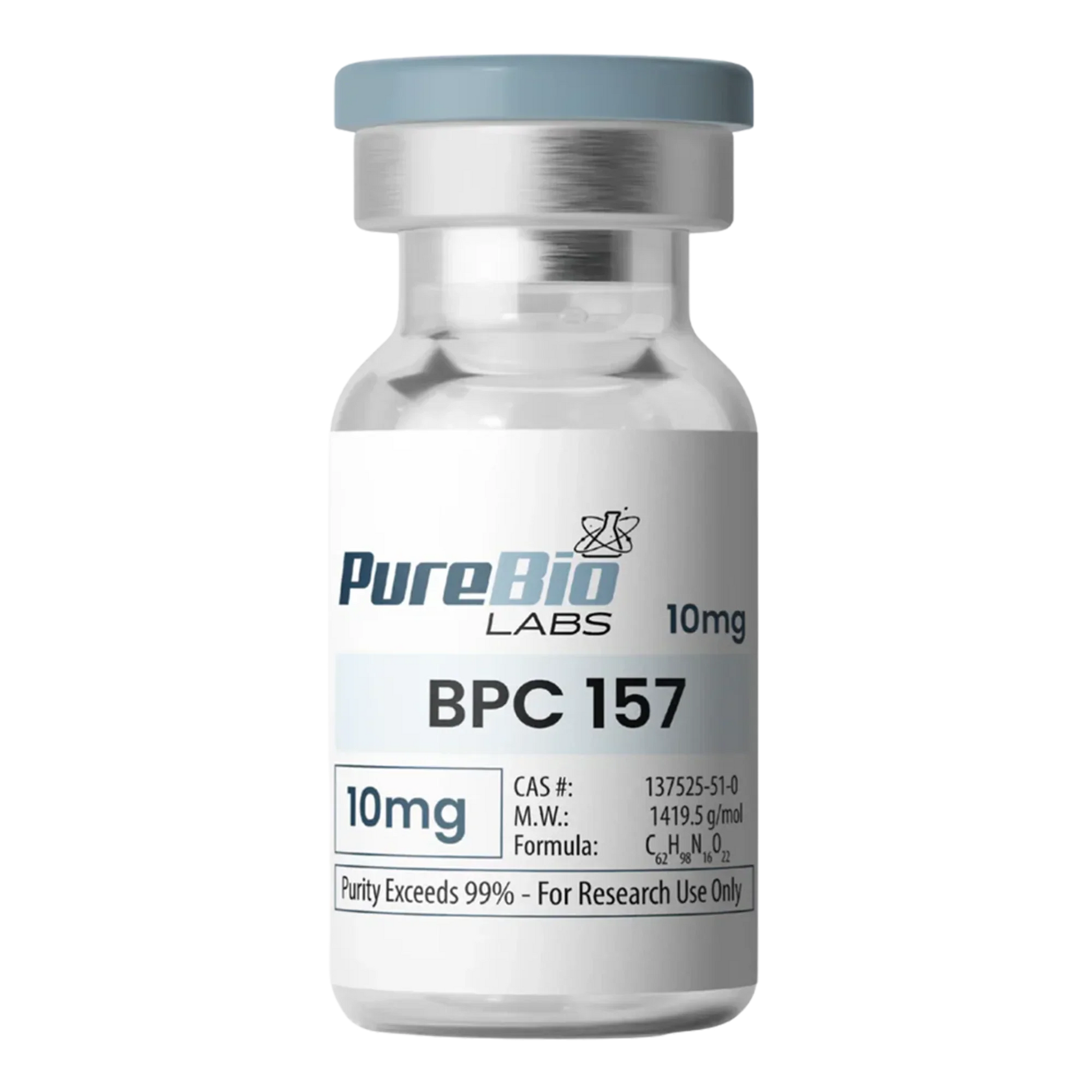
Basic Calculation Framework To determine how much peptide is delivered per spray, use: Concentration (mcg/mL): Final solution strength after reconstitution (Convert if needed: mg/mL 1000 = mcg/mL) Spray Output (mL per actuation): Volume delivered per pump Formula mcg per spray = concentration spray volume Optional Unit-Based Conversion (U-100 Reference) If using insulin-style units as a volume reference: 1 mL = 100 units Spray volume (mL) = units 100 Updated Formula mcg per spray = concentration (units 100) Calculation Table (Template) Worked Examples (For Understanding Only) Example 1 (mL-based device): Concentration: 3333 mcg/mL (10 mg in 3 mL) Spray output: 0.10 mL mcg per spray = 3333 0.10 = 333.3 mcg Sprays per mL = 10 Total sprays (3 mL) = 30 sprays Example 2 (unit-based device): Concentration: 3333 mcg/mL Device output: 13 units Volume per spray = 13 100 = 0.13 mL mcg per spray = 3333 0.13 = 433.3 mcg Sprays per mL 7.7 Total sprays (3 mL) 23 sprays Final Note These examples are based on a 10 mg / 3 mL reconstitution for demonstration only

doi:10.1002/jcsm.13213 Pickart L, Vasquez-Soltero JM, Margolina A