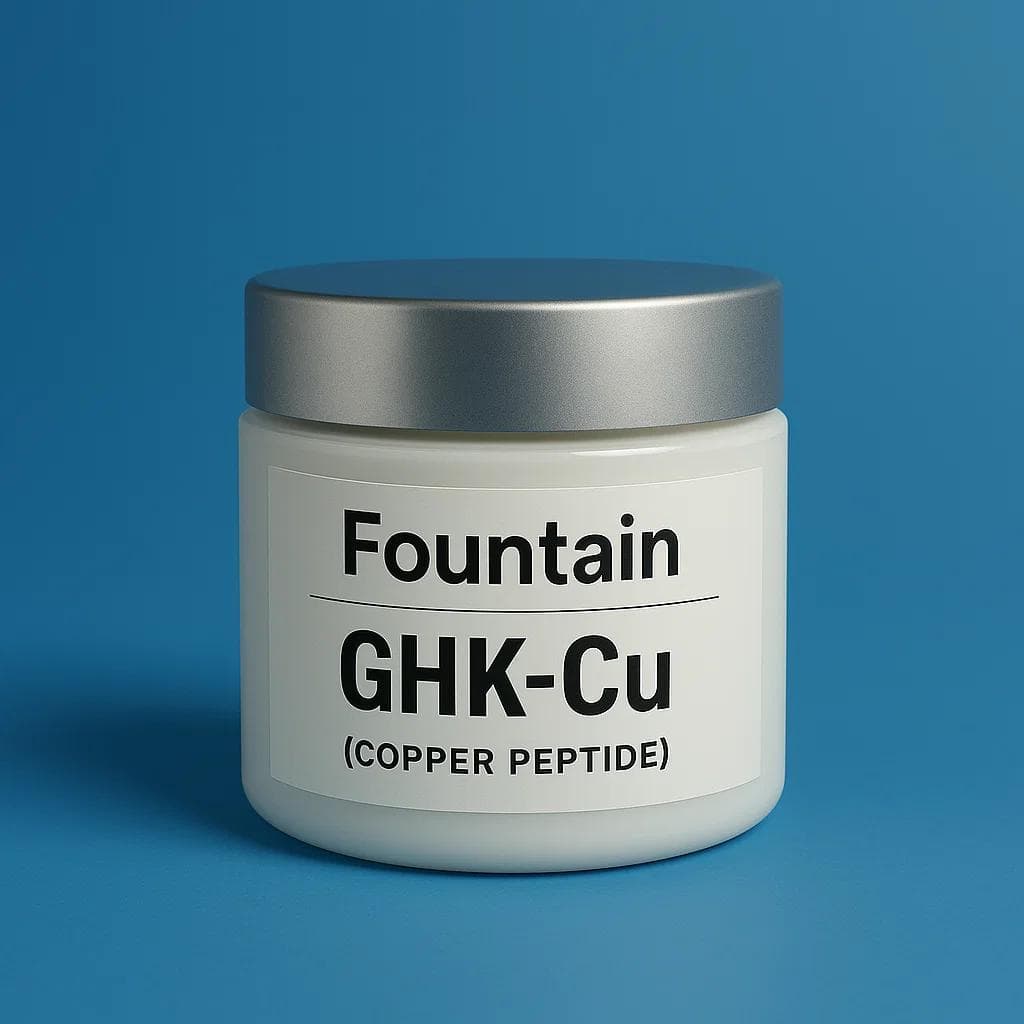
KLOW versus GLOW: understanding the difference The question of whether to use KLOW or GLOW comes down to your specific goals and health status
Published March 5, 2024
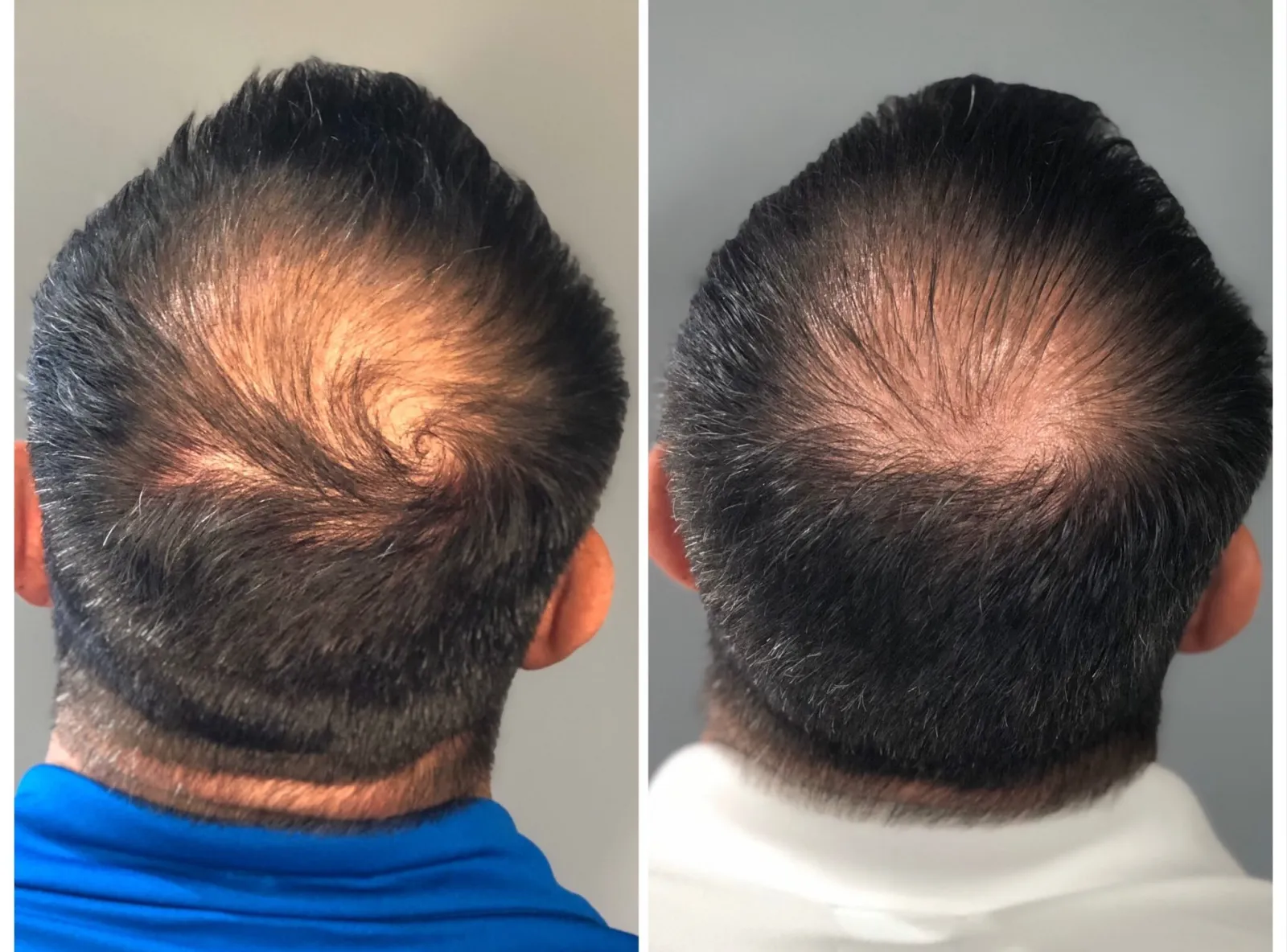
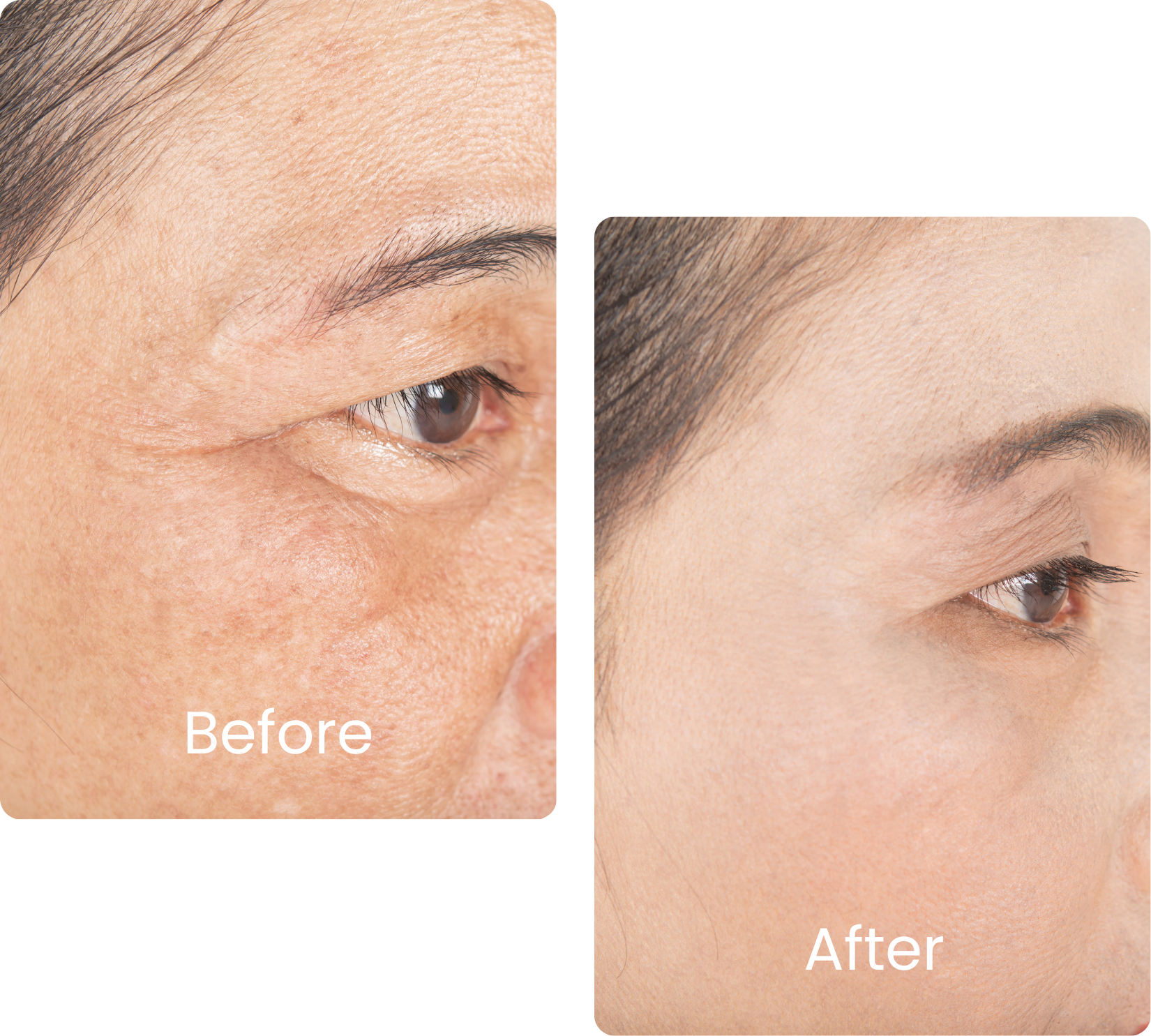
Monitoring and Optimization Monitoring and optimization involves: Documenting baseline measurements (skin quality assessments, wound size measurements, hair density counts, or relevant biomarkers) Taking progress photos or measurements at 2-4 week intervals Noting subjective improvements (energy, skin feel, healing speed) Adjusting dosing based on response and tolerance Consider periodic laboratory monitoring for extended use protocols, including copper and zinc levels every 12 weeks, liver and kidney function tests, and relevant biomarkers for specific applications Scientific Terminology Glossary Angiogenesis The formation of new blood vessels from existing vascular networks, critical for tissue repair and nutrient delivery Apoptosis Programmed cell death, a natural process that eliminates damaged or unnecessary cells without causing inflammation Caspases A family of protease enzymes that play essential roles in programmed cell death and inflammation Collagen The most abundant protein in mammals, providing structural support to skin, bones, tendons, and other connective tissues Extracellular Matrix (ECM) The non-cellular component present within all tissues and organs, providing structural and biochemical support to surrounding cells Fibroblasts Cells that synthesize the extracellular matrix and collagen, playing critical roles in wound healing and tissue repair Gene Expression The process by which information from a gene is used to synthesize functional gene products, typically proteins Integrin Cell surface receptors that mediate attachment between cells and the extracellular matrix, regulating cellular growth and migration Keratinocytes The predominant cell type in the epidermis, the outermost layer of skin, responsible for forming the protective barrier MAPK (Mitogen-Activated Protein Kinase) Signaling pathways that regulate gene expression, cell growth, proliferation, and apoptosis Matrikine Bioactive peptides released from extracellular matrix proteins during tissue injury that activate repair mechanisms Mesenchymal Stem Cells (MSCs) Adult stem cells capable of differentiating into various cell types including bone, cartilage, and fat cells Metalloproteinases (MMPs) Enzymes that break down extracellular matrix proteins, playing crucial roles in tissue remodeling and wound healing Nanomolar (nM) A unit of concentration equal to 10 moles per liter, used to measure very small concentrations of substances NF-B (Nuclear Factor Kappa B) A protein complex that controls transcription of DNA, playing key roles in immune response and inflammation Peptide A short chain of amino acids linked by peptide bonds, typically containing 2-50 amino acids Photoaging Premature aging of the skin caused by repeated exposure to ultraviolet radiation from the sun ROS (Reactive Oxygen Species) Chemically reactive molecules containing oxygen that can damage cells, DNA, and proteins through oxidative stress TGF- (Transforming Growth Factor Beta) A multifunctional cytokine that regulates cell growth, differentiation, immune function, and tissue repair TIMP (Tissue Inhibitor of Metalloproteinases) Proteins that regulate matrix metalloproteinase activity, controlling extracellular matrix turnover Tripeptide A peptide consisting of three amino acids linked by peptide bonds VEGF (Vascular Endothelial Growth Factor) A signal protein that stimulates formation of blood vessels, critical for wound healing and angiogenesis

They also experience improved comfort and mobility compared to standard single-ingredient creams or oral regimens
Because the DSIP Epithalon peptides are delivered straight into circulation, lower doses may be needed, potentially resulting in fewer side effects and making nasal delivery an appealing option for optimizing health and performance
First, it increases the concentration of furin, a protease enzyme that processes pro-BDNF into its mature, active form