Lipid-Metabolism Studies Tesamorelin research peptide is used to investigate: lipolysis adipocyte signaling lipid-mobilization pathways linked to GH activity Neuroendocrine Regulation Experimental systems examine: hypothalamic integration of GHRH signaling metabolic-axis coordination endocrine-feedback loops Stability-Enhanced Architecture The N-terminal trans-3-hexenoic acid group improves: resistance to enzymatic degradation receptor-binding persistence biological half-life in research models Pulsatile GH Dynamics Tesamorelin research peptide supports research into: physiologic GH-pulse patterns downstream metabolic effects endocrine-axis rhythmicity Molecular Structure Peptide Class: Stabilized GHRH(1-44) analog Sequence: Tyr-Ala-Asp-Ala-Ile-Phe-Thr-Asn-Ser-Tyr-Arg-Lys-Val-Leu-Gly-Gln-Leu-Ser-Ala-Arg-Lys-Leu-Leu-Gln-Asp-Ile-Met-Ser-Arg-Gln-Gln-Gly-Glu-Ser-Asn-Gln-Glu-Gln-Glu-Gln-Ala-NH2 Peptide Length: 44 amino acids Key Modification: N-terminal trans-3-hexenoic acid Molecular Formula: C221H366N72O67S Molecular Weight: 5135.9 g/mol Form: Lyophilized powder, research-grade The structural modification enhances receptor affinity , stability , and functional persistence in experimental systems

V.McLachlanA
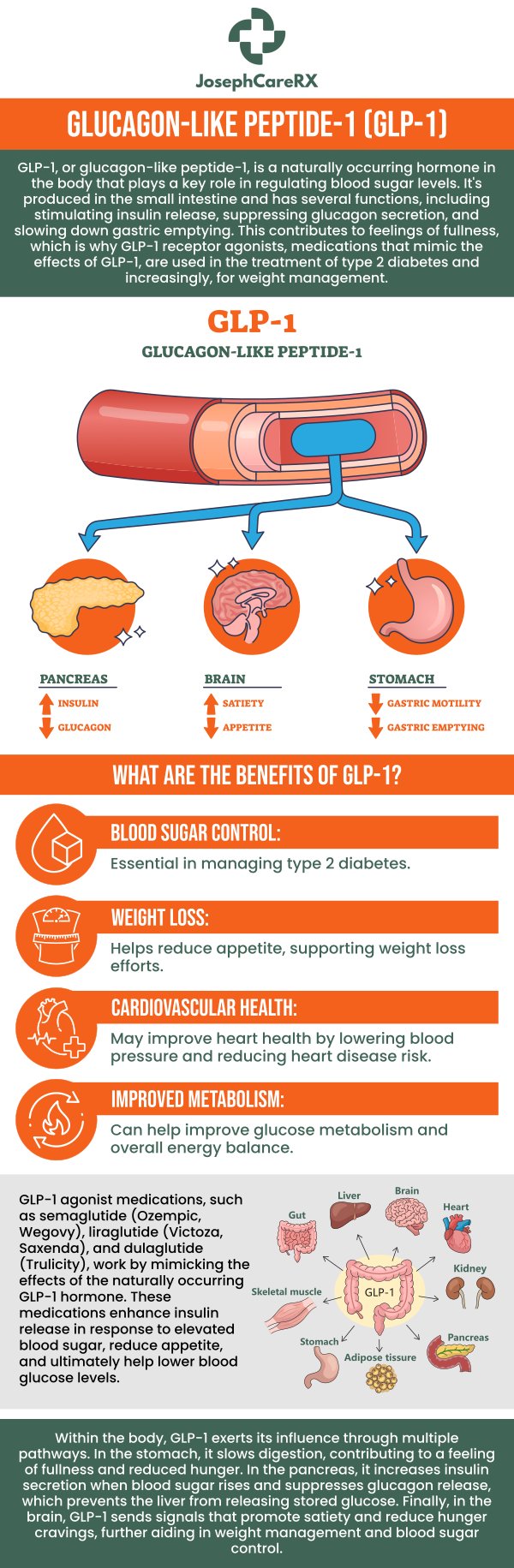
GIP (glucose-dependent insulinotropic polypeptide), Tirzepatide slows down the stomachs emptying
neuronal signaling efficiency mitochondrial membrane stability oxidative resilience cellular communication Because the brain contains a very high concentration of membranes relative to other tissues, membrane lipid balance becomes especially important for neurological function
Selenium compounds and their bioactivities: molecular mechanisms and prospects for functional food and therapeutic applications
Melatonin regulates ILC2 function independently of canonical MT1/MT2 receptors In both mice and humans, two canonical melatonin receptors, MT1 ( Mtnr1a ) and MT2 ( Mtnr1b ), have been described (4042), although neither has yet been reported to be expressed on ILC2s