FIGURE 7 5.2 Combination therapy strategies In recent years, the combination therapy strategy for gemcitabine resistance has made important breakthroughs, mainly focusing on the following directions: Targeted inhibition of RRM1 and synthetic lethality: Inhibitors of the large subunit of ribonucleotide reductase RRM1 (such as COH29) enhance efficacy through dual mechanisms: (1) inhibiting dNTP biosynthesis, (via RNR/RRM1 suppression), leading to depletion of intracellular dNTP pools notably with deoxycytidine triphosphate (dCTP) often being suppressed in multiple studies, though the magnitude of decrease varies by cell type, dose, and duration ( Epigenetic regulation combined therapy: DNA methyltransferase inhibitor decitabine reverses drug resistance through dual effects: (1) removing the hypermethylation of CpG islands in the promoter region of the dCK gene and restoring the drug activation ability ( Synergistic immunotherapy strategy: Gemcitabine releases damage-associated molecular patterns (damage-associated molecular patterns, DAMPs) such as HMGB1 by inducing immunogenic cell death (immunogenic cell death, ICD), producing a synergistic effect with PD-1 inhibitors ( + T cell infiltration in the combined treatment group increased by 4.1 times, and the complete tumor regression rate increased to 42% (8% in the single drug group) ( Nano co-delivery system: Albumin nanoparticles co-loaded gemcitabine and MEK inhibitors, increasing the tumor/plasma drug concentration ratio to 9.8:1, significantly inhibiting the activation of the MAPK pathway ( Multi-target combination: The combination of EGFR/VEGF dual-targeting inhibitors showed a synergistic effect in the KRAS mutation model (combination index CI = 0.32) ( 5.3 Remodeling of the immune microenvironment In the immune combination strategy to address gemcitabine resistance, CD40 agonist activation of antigen presentation and oncolytic virus-induced viral mimicry to enhance immunogenic cell death (ICD) are two key directions, which can enhance the efficacy of chemotherapy and reverse resistance by reshaping the immune microenvironment: CD40 agonists (such as Selicrelumab) promote tumor antigen presentation and T cell activation by activating CD40 receptors on the surface of dendritic cells ( + T cell infiltration and inhibit Treg function ( Oncolytic viruses (such as T-VEC) selectively lyse tumor cells to release DAMPs (such as CRT, HMGB1) and viral nucleic acids, triggering strong immunogenic cell death (ICD) and activating the cGAS-STING pathway, inducing a viral mimic state to enhance antitumor immunity ( 5.4 Biomarker-guided treatment In the precision treatment strategy for gemcitabine resistance, biomarker guided treatment based on dynamic monitoring of RRM2 copy number based on ctDNA and multi-omics prediction models (such as the EXPLOR trial) provides a new paradigm for individualized intervention: Gemcitabine resistance, RRM2 gene copy number amplification drives resistance by accelerating deoxyribonucleotide triphosphate (dNTP) synthesis and enhancing DNA repair, while ctDNA-based liquid biopsy technology (such as ddPCR/NGS) can dynamically monitor the level of RRM2 amplification and track the evolution of resistant clones in real time
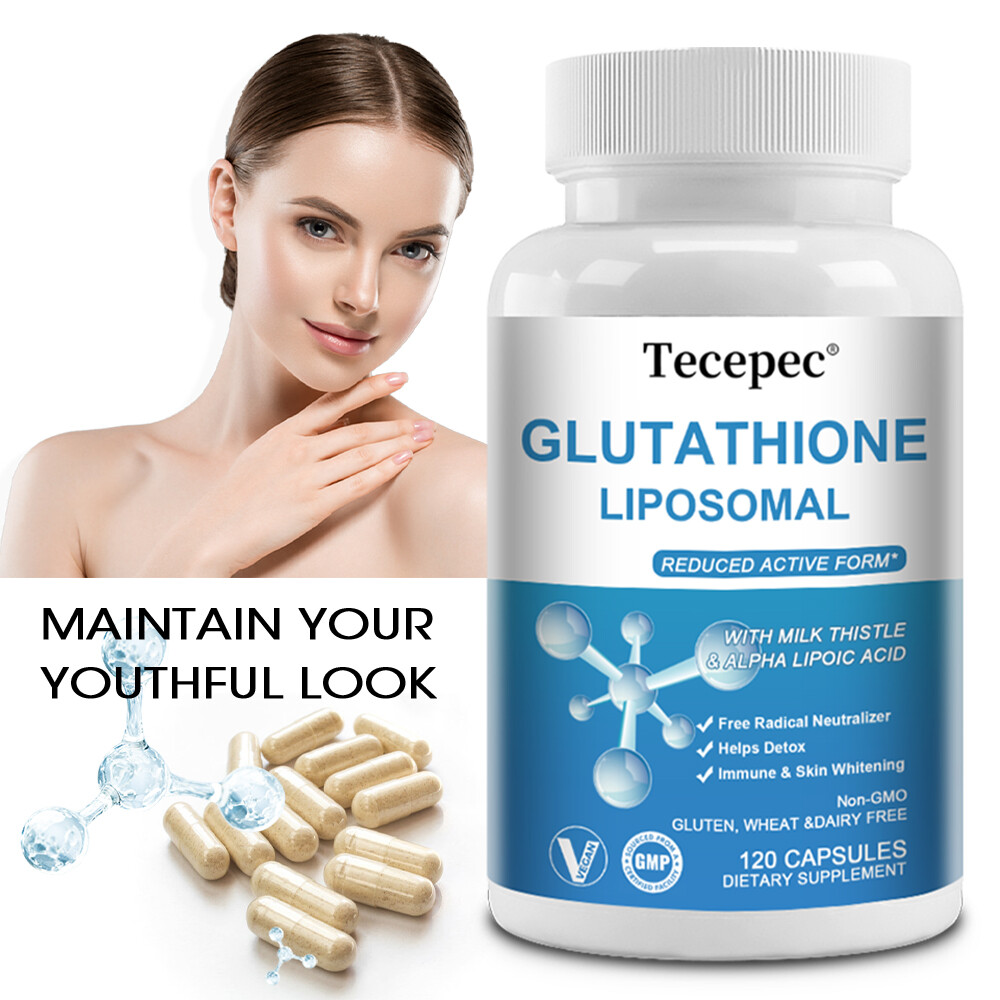
It combines lipotropic compounds (methionine, inositol, choline, carnitine, B12) and other B vitamins to convert fat to energy, act as antioxidants, increase energy, and support appetite reduction, muscle building, and immune health
Bo qun v lu khi s dng Biocyte Glutathione Liposomal Thc phm ny khng phi l thuc, khng c tc dng thay th thuc cha bnh
A study conducted in Thailand involved 60 participants taking 500 mg glutathione pills daily for four weeks
Because liposomes are structurally similar to human cell membranes, they can help facilitate the transport of nutrients throughout the body
Under anesthesia, hearing thresholds were repeatedly assessed using ABR recordings (Fig