Studies reported that GHK-Cu modifies the expression of thousands of human genes, many of which are linked to the oxidative stress response and tissue protection
Animal model research demonstrates that BPC-157 administration reduces tissue inflammation scores by 40-60% across diverse experimental systems including inflammatory bowel disease, musculoskeletal injury, and neuroinflammation models
Consulting a licensed provider is essential
Where BPC-157 research focuses on blood vessel and growth-factor pathways, TB-500 research focuses on actin dynamics, the cytoskeletal machinery that lets cells change shape and migrate into a wound
GHK-Cu (Glycyl-L-Histidyl-L-Lysine Copper Complex) is a naturally occurring copper-binding peptide found in human plasma, saliva, and tissues
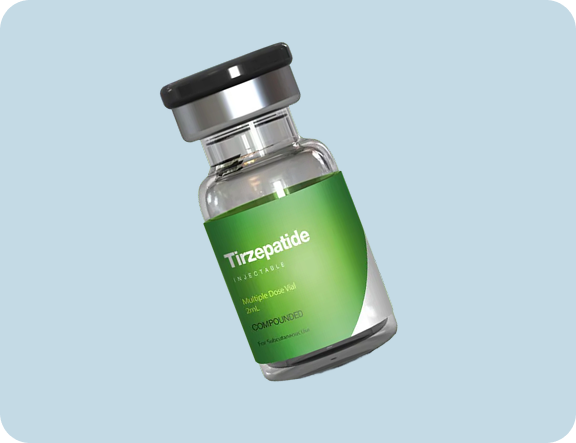
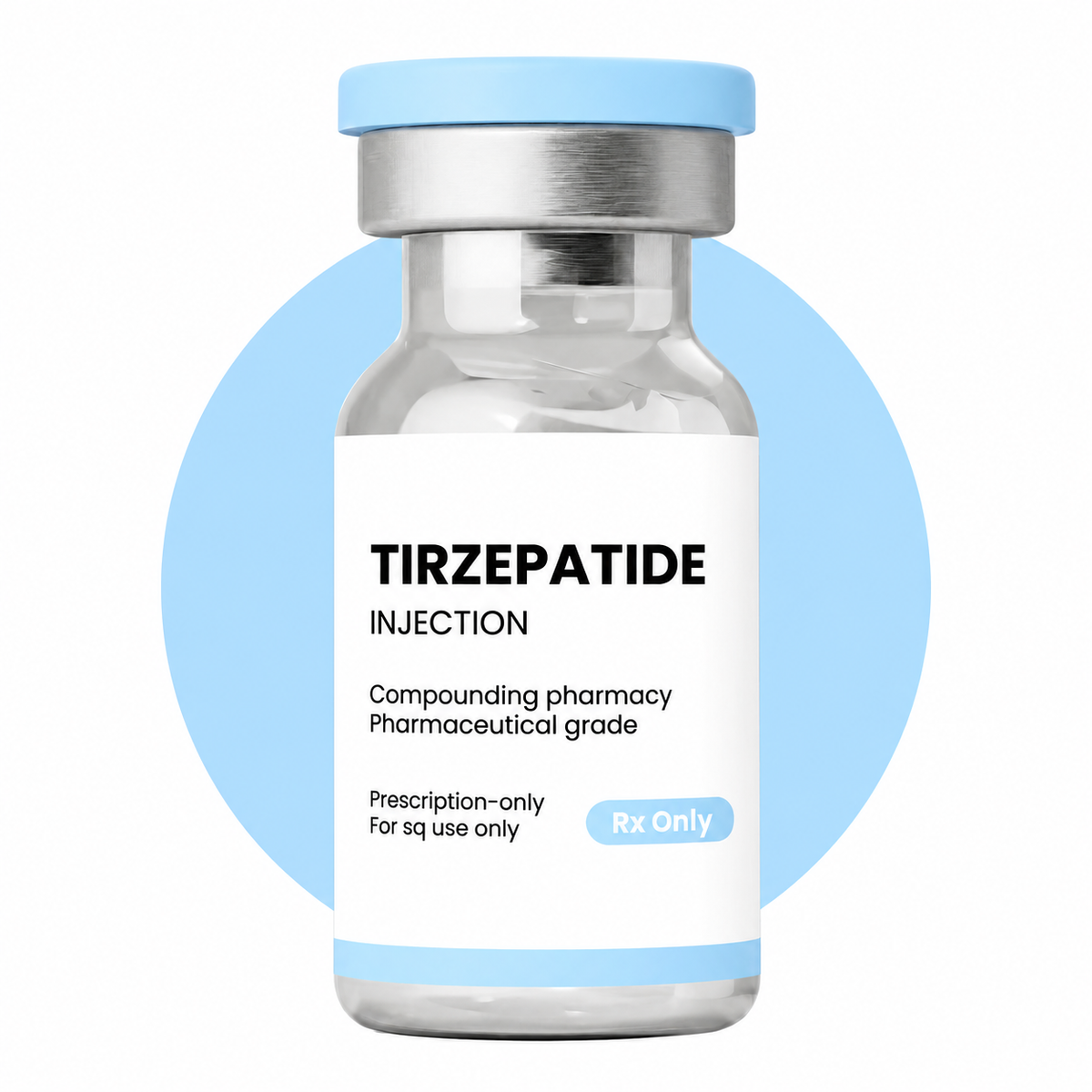
And you would never know the difference by looking at the vial, because most degradation happens at the molecular level, invisible to the naked eye